
Elucidating The Causal Basis Of Human Metabolic Diseases Through Genetics Led Systematic Studies In Mouse Models – Ayo A. Toye (PhD)
Principal Fellow of The Causal Genetics Institute (CGenI), UK
CEO of Causal Genetics Limited, UK
Dr. TOYE_IGCLM_Presentation_FINAL
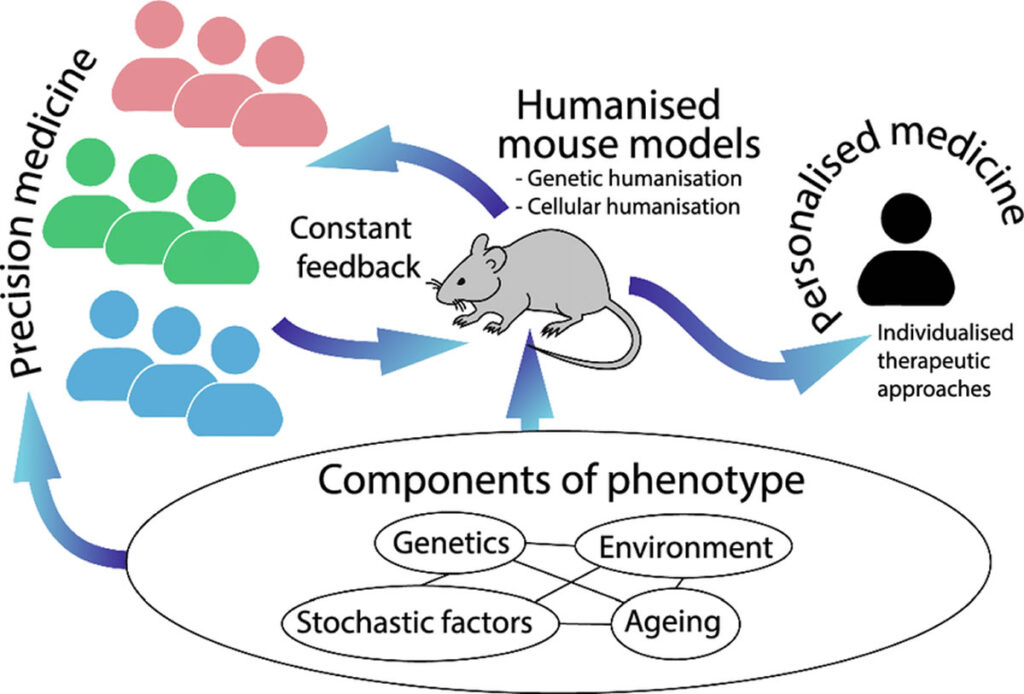
Elucidating the causal basis of human metabolic diseases through genetics and systematic studies in mouse models—as pioneered by researchers like Dr Ayo A. Toye—focuses on deciphering the complex, polygenic roots of conditions such as type 2 diabetes, obesity, and non-alcoholic fatty liver disease (NAFLD). By utilising controlled genetic models, such as the 129S6 inbred mouse strain, or using N-ethyl-N-nitrosourea (ENU) mutagenesis to introduce specific missense mutations (e.g., in the glucokinase gene), scientists can bypass the environmental noise that complicates human clinical studies. These engineered murine models are subjected to specific dietary and metabolic challenges, such as high-fat diets (HFDs). By applying molecular phenotyping techniques, including $^1$H NMR spectroscopy-based metabonomics, researchers can observe exactly how specific genetic polymorphisms lead to systemic metabolic dysfunctions, such as insulin resistance and hepatic steatosis. [1, 2, 3, 4, 5, 6]
The systematic approach to decoding these diseases typically integrates several core scientific pillars:
1. High-Throughput Phenotyping & Metabonomics
Rather than evaluating metabolic diseases as a single entity, systematic mouse models allow researchers to tease apart distinct “intermediate phenotypes” (e.g., hyperinsulinemia vs glucose intolerance). [7]
- Metabolomics: By analysing plasma and urine, researchers can track how genetic predispositions disrupt specific pathways, such as choline metabolism. [3]
- Nutrigenomic Responses: Inbred strains vary wildly in their adaptability to nutritional stress. For instance, certain strains (like $129S6$ and $C57BL/6$) have a much higher nutrigenomic susceptibility to diet-induced obesity and metabolic syndrome compared to others. [1, 5, 6]
2. The Role of the Gut Microbiome
Research stemming from these models highlights the significant crosstalk between host genetics, diet, and the gut microbiome. [3, 8]
- Studies on insulin-resistant mice with fatty liver phenotypes have linked genetic predispositions to an altered gut microbiota profile, evidenced by high urinary excretion of microbial-derived metabolites (e.g., methylamines) and lowered circulating levels of phosphatidylcholine. [3]
3. Monogenic vs. Polygenic Dissection
- Monogenic insights: ENU mutagenesis screens have successfully led to the discovery of novel pathogenic mutations (like missense mutations in the glucokinase gene), creating murine equivalents of human monogenic diabetes (MODY) to study direct gene-to-disease pathways. [4, 9]
- Polygenic complexity: Because most human metabolic diseases are polygenic, the systematic study of quantitative trait loci (QTLs) in multi-strain mouse crosses allows scientists to map the precise chromosomal regions responsible for specific metabolic traits. [10, 11]
4. Relevance to Human Therapeutics
Ultimately, the goal of these studies is translation to human medicine. The metabolic biomarkers mapped in mice represent highly actionable molecular targets. Identifying the exact genetic and metabolic signatures of insulin resistance allows researchers to pinpoint points of intervention, potentially opening the door for new pharmacological treatments or personalised, genotype-guided nutritional interventions. [7, 8]
[10] https://pubs.acs.org